Mazda builds cars differently. Instead of chasing specs sheets, the company designs around people — a philosophy it calls Jinba Ittai, "horse and rider as one." Every control, every seat, every suspension bushing exists to make the car feel like a natural extension of your body.
That human focus shows in the brand's modern pillars. Kodo — "Soul of Motion" — is a design language that captures movement in a stationary car. Skyactiv Technology squeezes remarkable efficiency from ordinary combustion engines through unusually high compression ratios and lightweight construction.
The result is a lineup that consistently feels more premium and more engaging than its price suggests — from the MX-5 roadster to the three-row CX-90 flagship.
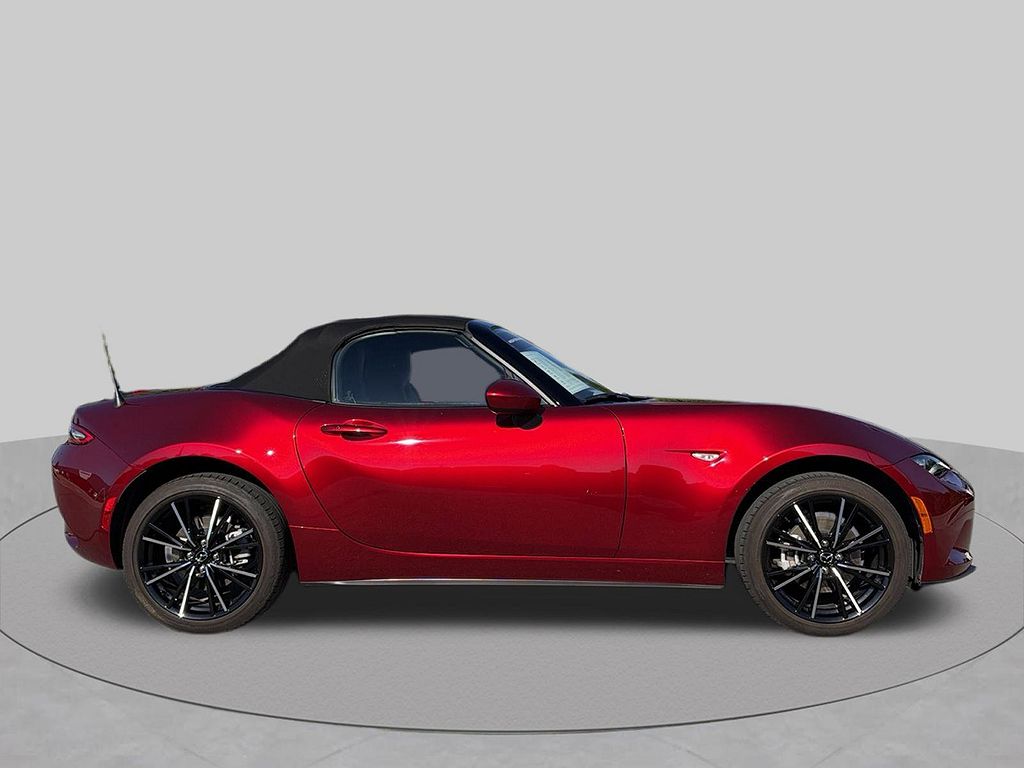
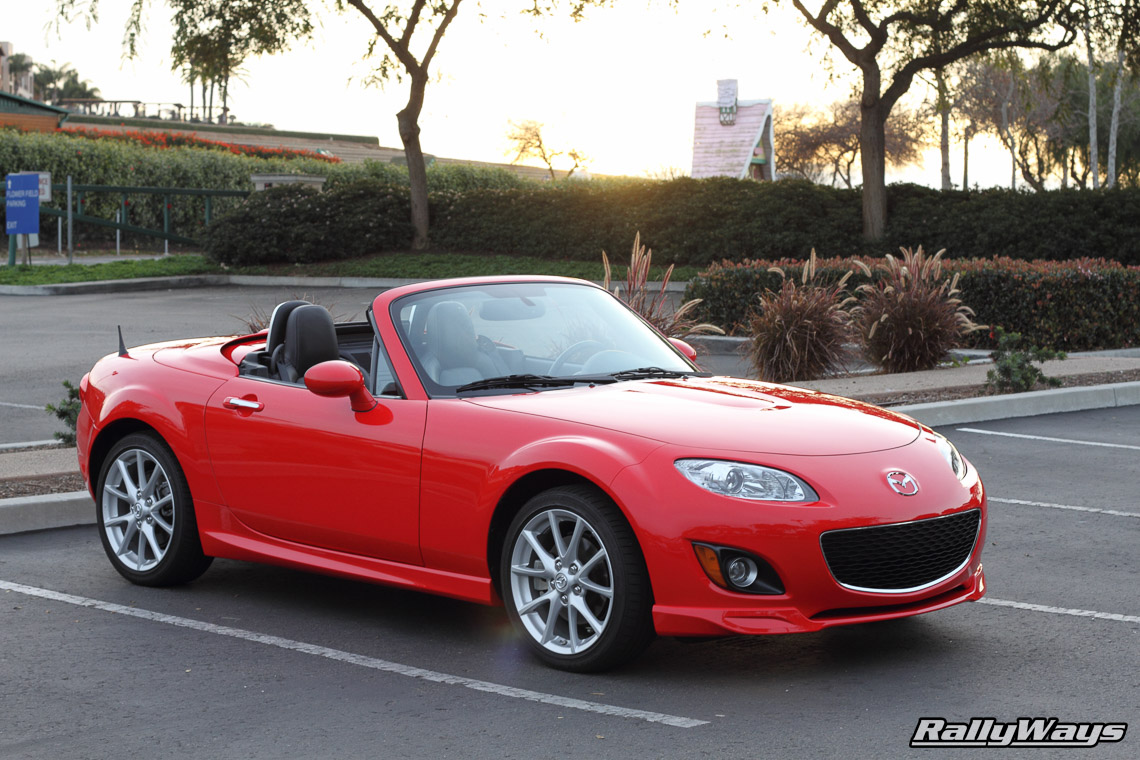
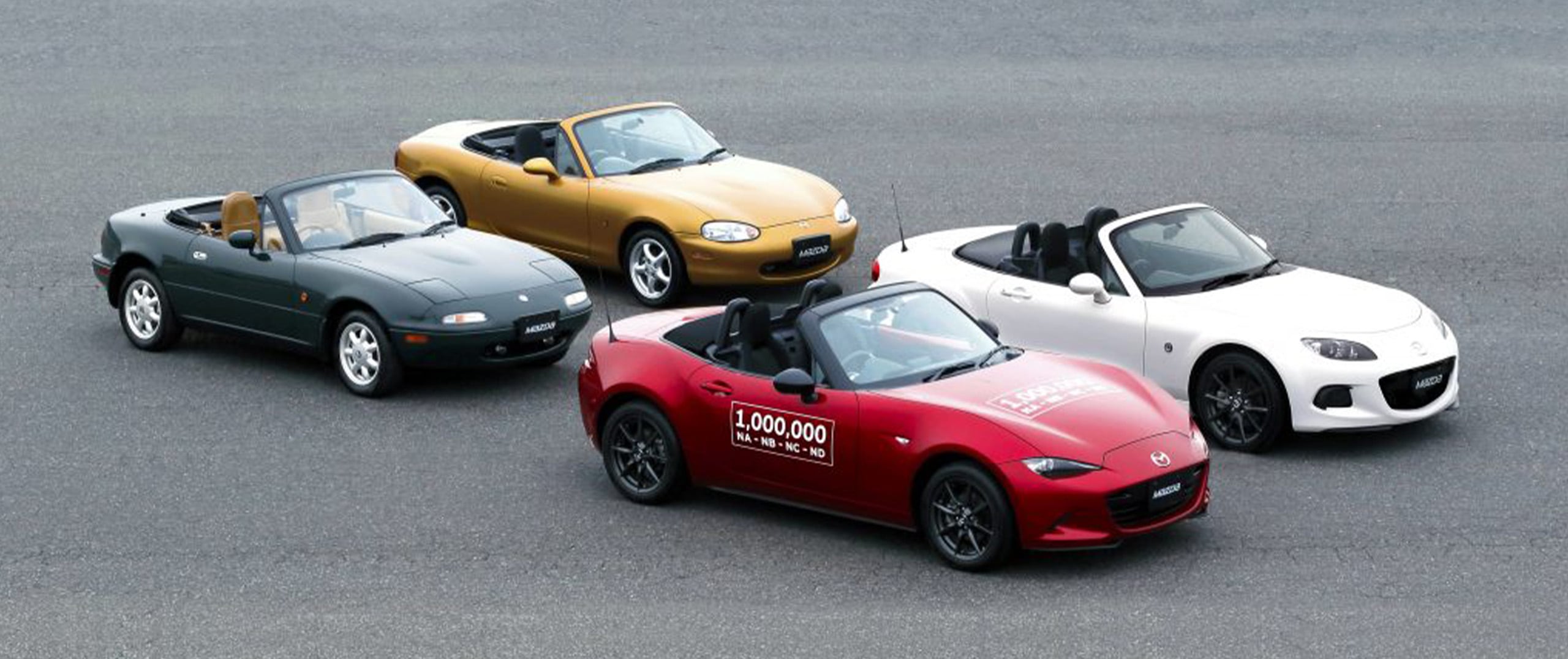
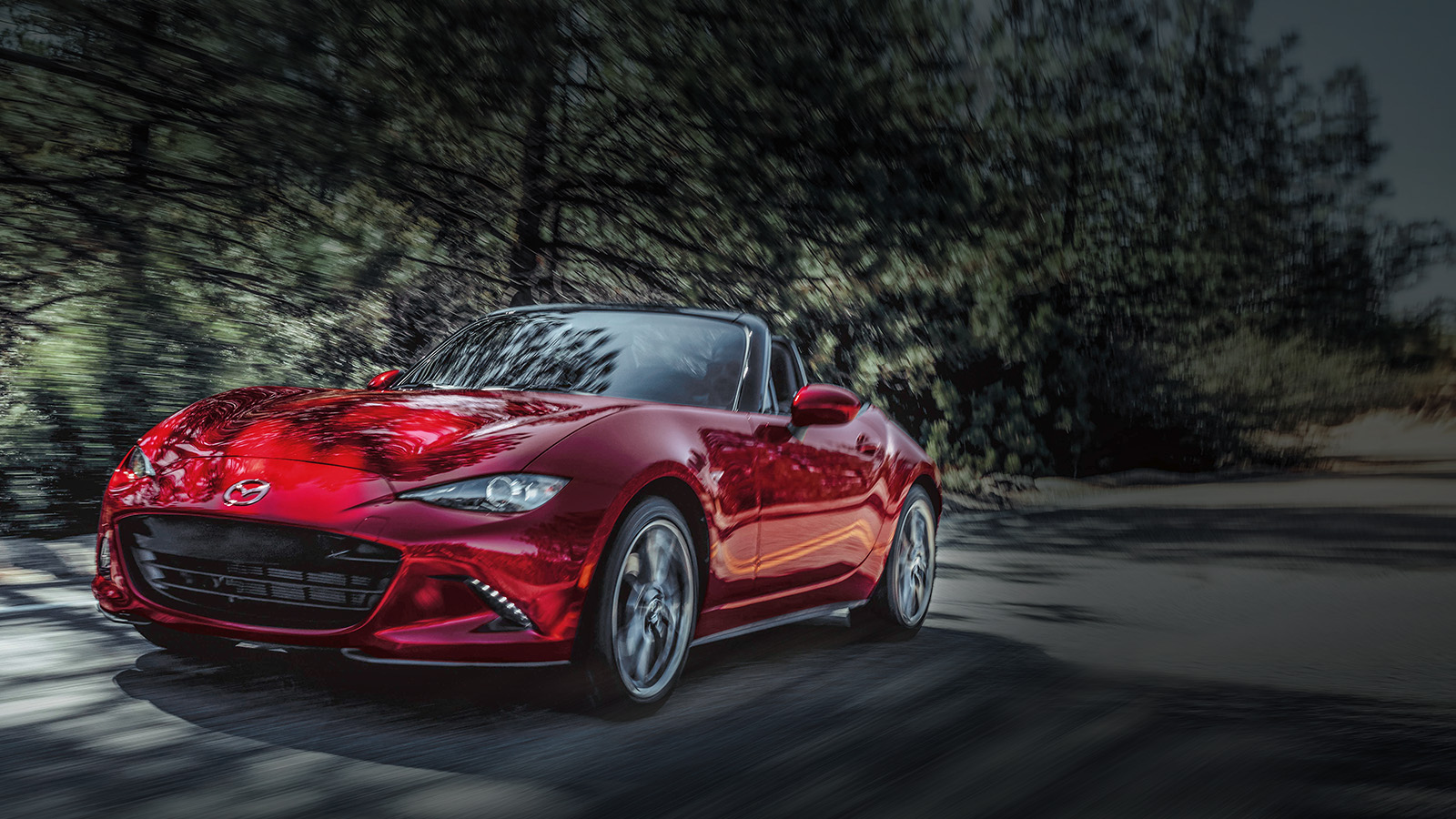
More than one million sold since 1989 — certified by Guinness World Records as the best-selling two-seater sports car in history. The 2026 edition keeps the original recipe honest: two seats, rear-wheel drive, a slick six-speed manual and 181 naturally aspirated horsepower at 7,000 rpm.
From a 990-kilogram roadster philosophy to a turbocharged inline-six flagship — every Mazda is tuned for the person behind the wheel.
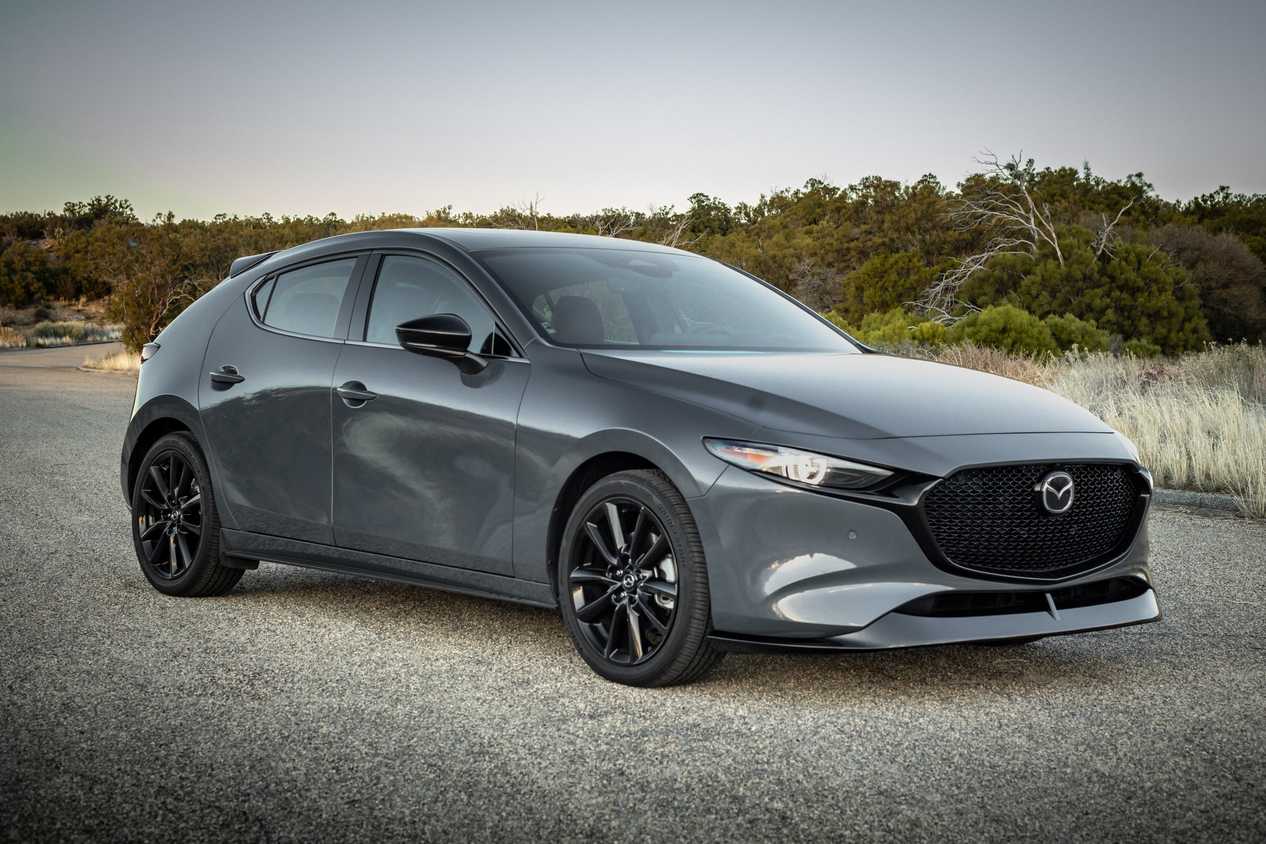
The compact that punches above its class: sedan or hatchback, Skyactiv-G 2.5 engine and an available 250-hp turbo.
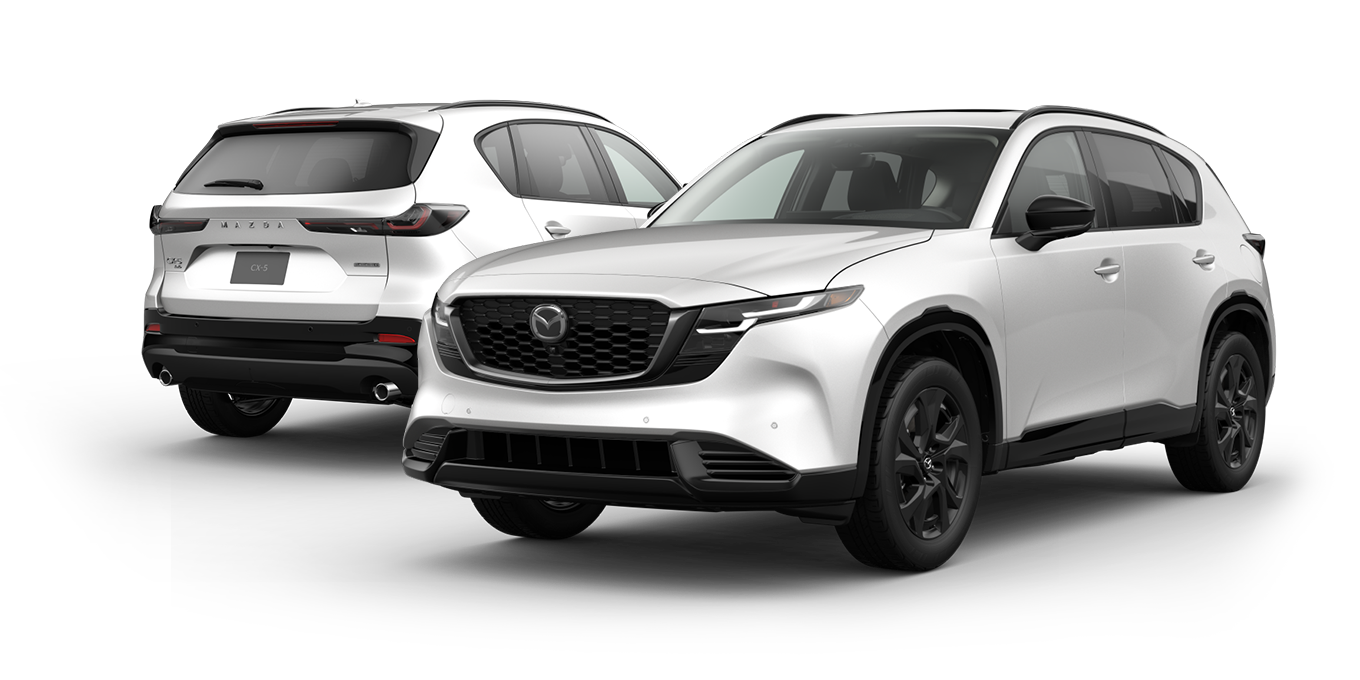
The compact SUV that steers like a hatchback — standard i-Activ AWD and a cabin that feels a class above.
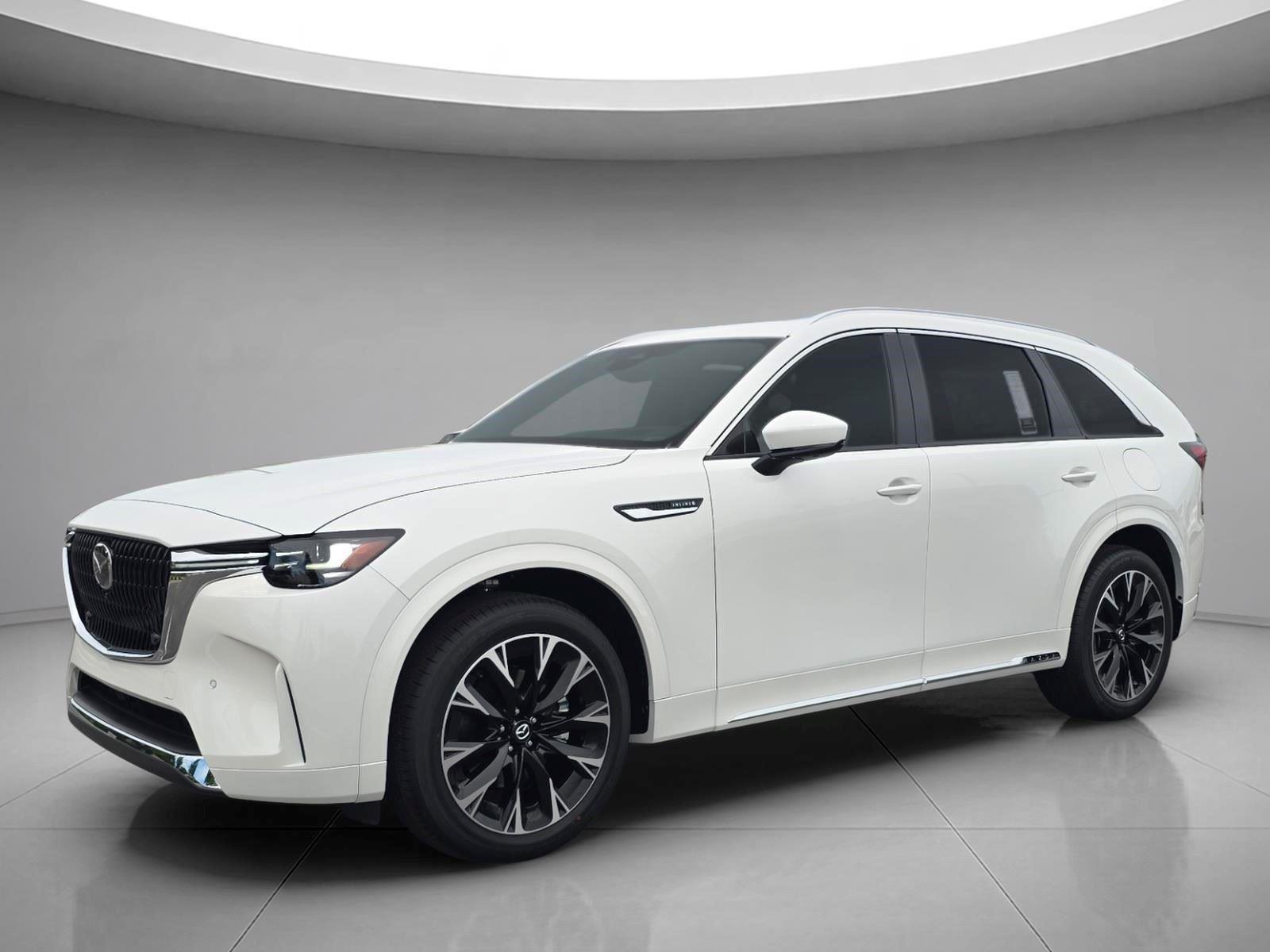
The new flagship: a silky 3.3-litre turbocharged inline-six — Mazda's first inline-six passenger car in decades.
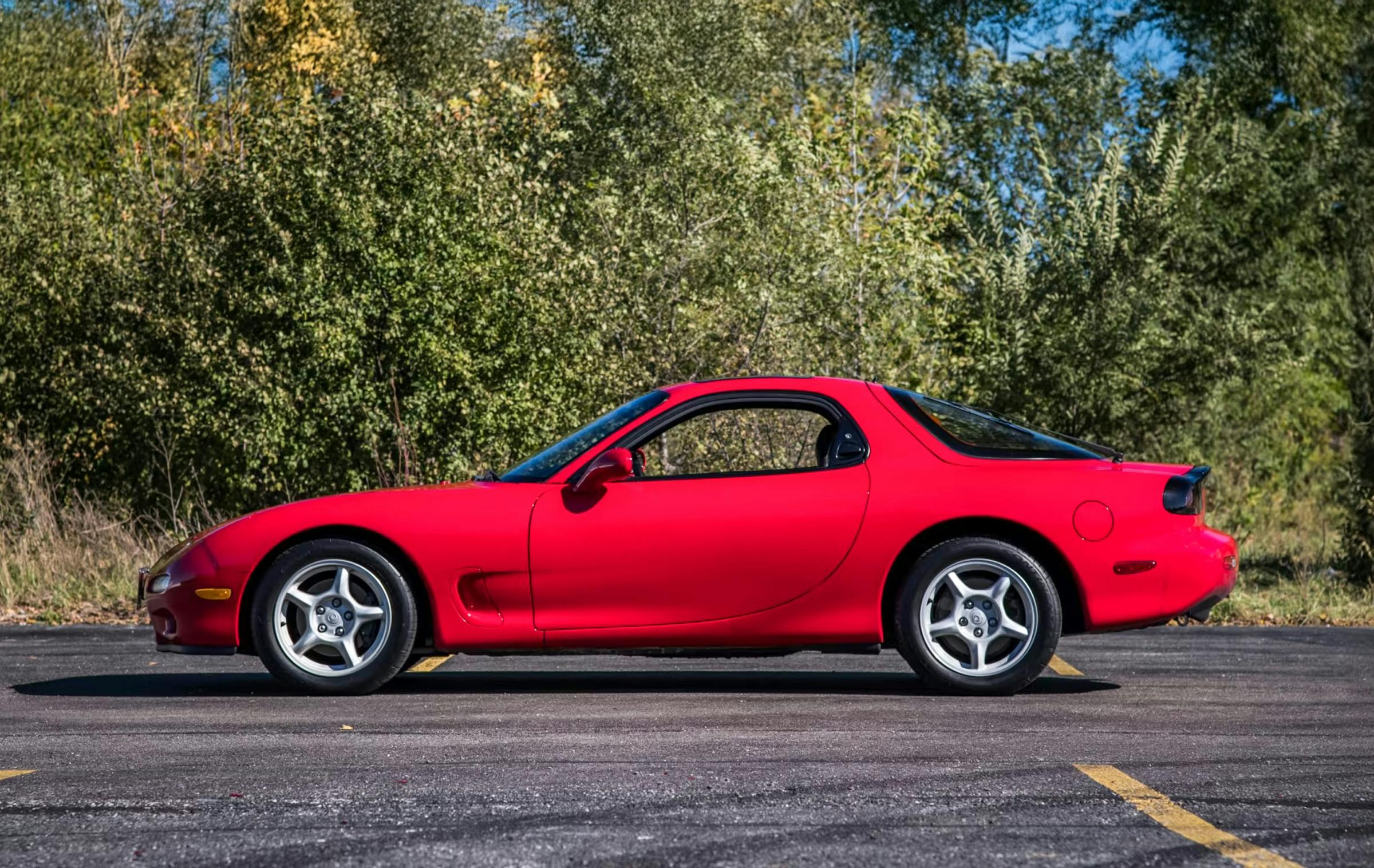
The twin-rotor icon that carried rotary DNA from 1978 to 2002 — and to a Le Mans victory in 1991.
Specs, galleries and the stories behind every model — start with the little roadster that changed everything.
Meet the MX-5 Miata